


Are you prepared for the year-end compliance?
As the year draws to a close, businesses across various industries must prioritize compliance to avoid potential legal pitfalls and ensure a smooth transition into the new year.
While compliance is essential across all industries, the checklist may vary depending on factors such as whether a business operates domestically, works with offshore teams, or maintains partnerships with international vendors.
A practical end-of-year compliance checklist can serve as a roadmap for organizations to navigate essential tasks, keeping them aligned with local and global laws. Below is a comprehensive guide to help you wrap up the year seamlessly.
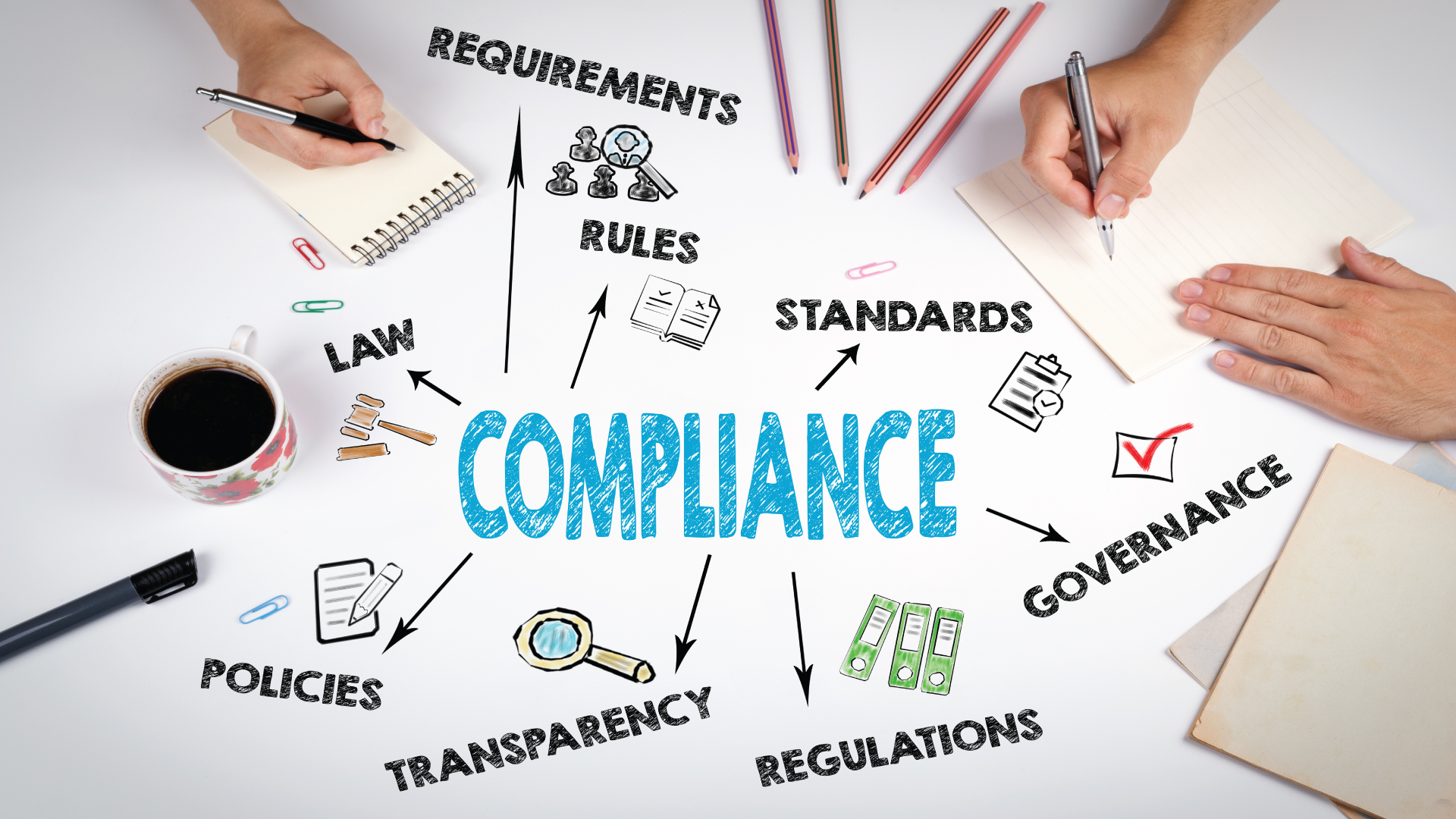
Understanding Compliance Requirements
What is Compliance?
Compliance means that a business observes all the laws, rules, and guidelines that apply to its operations. This includes everything from regulations about hiring people to policies about keeping data safe.
Importance of Year-End Compliance
Prioritizing compliance at year-end is crucial for several reasons:
- Legal Protection: Ensures that your business avoids penalties and legal issues
- Financial Health: Helps in accurate financial reporting and tax preparation
- Operational Efficiency: Streamlines processes for the upcoming year
Compliance extends across multiple facets of business, including tax, data security, human resources, and partner oversight.
For companies with offshore operations, additional measures to ensure international legal compliance are necessary. Businesses with effective offshore customer support in the Philippines, for example, need to ensure compliance with both local and international customer service regulations.
The Cost of Non-Compliance
How does it cost if businesses fail to comply? Organizations with high levels of non-compliance face an average cost of $5.05 million per data breach, which is 12.6% higher than breaches where compliance was maintained.
In addition, companies typically allocate around 25% of their revenue to compliance costs, with 18% reporting that more than half of their income is dedicated to ensuring compliance.
Key Areas for Compliance
- Employment Law
- Financial Compliance
- Data Protection and Privacy
- Corporate Governance
- Health and Safety Regulations
1. Employment Law
Update employment contracts and policies to reflect labor laws and maintain accurate employee records. Ensure General Data Protection Regulation (GDPR) compliance for businesses in the EU by deleting old data and updating privacy policies.
For companies working with an offshoring or outsourcing partner in the Philippines or other Asian regions, standardizing payroll systems across borders is crucial.
Different countries have different rules—make sure you’re not tripping over those by partnering with experienced offshore teams who understand local and international compliance standards. A seamless payroll system goes a long way in maintaining employee satisfaction and ensuring legal adherence.
2. Financial Compliance
Conduct financial audits which involve reviewing financial statements and prepare necessary tax documents to ensure compliance with local tax laws. Analyze cash flow reports to understand financial health and make necessary adjustments.
And if you’re one of those businesses leveraging the benefits of offshoring for financial services, then count on your offshore teams to assist with those international tax codes and audits. Offshore partners with the right expertise can help you stay ahead of regulations, saving you from headaches when the new year rolls around.
3. Data Protection and Privacy
A leak in one area can put the entire organization at risk—be vigilant and proactive about your data. Regularly monitor data protection efforts and conduct audits to ensure GDPR compliance. Strengthen cybersecurity protocols to minimize breaches, as the cost of non-compliance can significantly escalate financial and reputational risks.
Data must be secure, regardless of where it’s managed. One key component of global companies is how to ensure quality in offshore partnerships. Offshore partnerships should maintain industry-standard security measures to protect sensitive information.
4. Corporate Governance
Ensure alignment with current company structure and compliance with filing requirements. Moreover, assess company performance and strategic plans during annual board meetings.
5. Health and Safety Regulations
Update safety protocols by regularly assessing workplace health and safety measures, ensuring employee awareness of safety protocols. In addition, confirm that insurance coverage is adequate for your operations.
Prepare an End-of-Year Compliance Checklist

Companies can adopt a comprehensive approach to year-end compliance, minimizing risks while laying a strong foundation for operational success in the coming year.
Use this checklist to ensure your business is fully compliant as the year concludes and well-prepared to face the challenges and opportunities of the year ahead with confidence.
Best Practices for Effective Compliance Management
1. Establish and Review Key Compliance Deadlines
Start by creating a detailed compliance calendar outlining all upcoming year’s critical deadlines, including tax filings, license renewals, and regulatory submissions. This proactive approach allows you to track and meet each deadline without scrambling at the last minute. By mapping these deadlines, you ensure your team can fulfill all obligations on time and avoid costly penalties.
2. Conduct Internal Audits to Identify Compliance Gaps
Regular internal audits are essential for spotting potential gaps in your compliance processes. Before year-end, conduct thorough audits across critical areas, such as cybersecurity and financial records, to confirm alignment with industry standards. This review can also help you see where improvements are needed, especially if you’re expanding your operations or working with offshore teams.
3. Plan Ahead for Next Year: Offshore, Outsourcing Trends and Opportunities
With new compliance demands and offshore-outsourcing trends emerging in 2024, advance planning is key to maintaining a strong compliance foundation in the coming year. If you’re considering expanding offshore partnerships, look for offshore solutions that align with international regulations. By selecting compliant offshore options, you’ll gain strategic advantages that simplify compliance tasks, particularly for businesses in highly regulated sectors like healthcare and finance.
4. Choose the Right Offshore Partner
When exploring offshore opportunities, knowing what to look for in an offshore partner is critical. The ideal offshore partner will not only have a solid track record for maintaining quality in offshore partnerships but will also uphold all necessary compliance standards. Whether you’re seeking the benefits of offshoring for financial services or cost-effective offshore customer support solutions, a dependable partner can enhance both compliance and performance across borders.
5. Invest in Compliance Training and Development
A strong compliance strategy also hinges on fostering accountability within your organization. Invest in targeted training to keep employees informed on essential compliance issues. Equipping your team with up-to-date compliance knowledge empowers them to make informed decisions that align with regulatory requirements and protect your business.
Apply these best practices, and you’ll build a foundation that supports your compliance goals and sets your business up for a successful year.
Conclusion

Navigating year-end compliance is critical for any organization seeking success in the new year. By rigorously addressing these legal must-dos, your firm can position itself for future success while reducing the dangers associated with noncompliance.
Partner with an Expert
A leading offshoring company based in the Philippines, iSupport Worldwide efficiently meets all local and global compliance standards.
With over 18 years of offshore and outsourcing experience, iSupport Worldwide helps businesses in navigating complex regulatory landscapes so you can focus on growing your business while leveraging our bespoke offshoring solutions.
Book a NO-OBLIGATION consultation with us today.